News

Summer Bridge Program Q&A With Britney Robinson
Britney Robinson is a first generation Afro-Latina who graduated from UCLA with a B.S in Pure Mathematics in 2021. As an undergrad, she served as a member of the Inclusive Excellence committees for the Mathematics Department and Physical Sciences and worked as a research assistant in the ‘Bjork Learning and Forgetting Lab’, which is focused...


在自己的“根”上茁壮成长
科学最让我向往的地方是它能帮助我们了解世界和自己,并使这两者都变得更好。在地球、行星和空间科学系,我找到了致力于这一事业的一群人。
Growing My Own Roots
How this 3rd-generation Bruin Found a New Home at UCLA
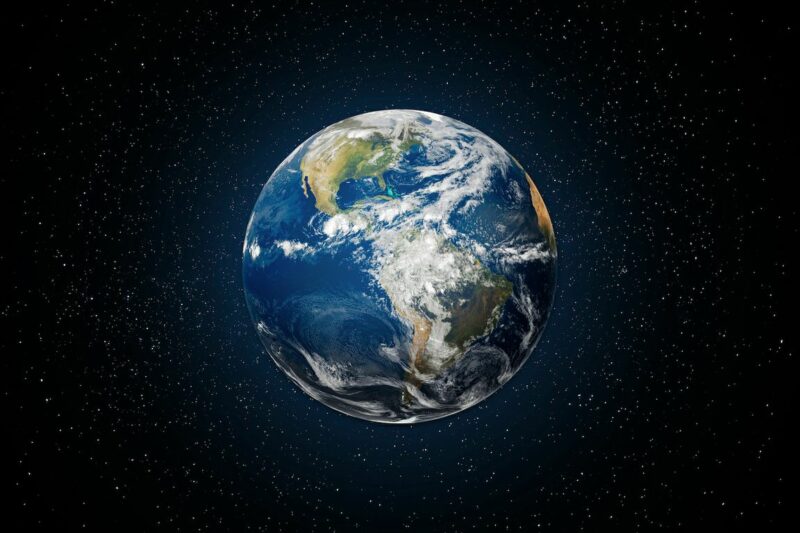
Earth-like planets may be an inevitability
Our planet is often thought of as unique in the galaxy, with just the right conditions to support an atmosphere, liquid water and ultimately life. In fact, water is actually much more common in planets across the galaxy than anyone would have imagined just a few years ago. One of the challenges researchers face today...
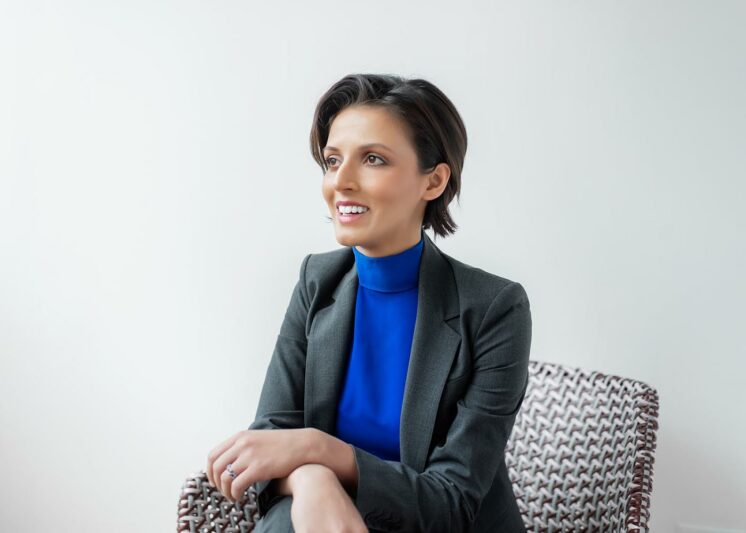
Prineha Narang Named 2023 Guggenheim Fellow
Professor Prineha Narang, UCLA’s Howard Reiss Chair in Physical Sciences, has been awarded the 2023 Guggenheim Fellowship. The physical world — from gas giants in the solar system, to living organisms, and even particles — exists in a state of nonequilibrium. Narang’s research aims to better understand the dynamics of nonequilibrium states in nature –...
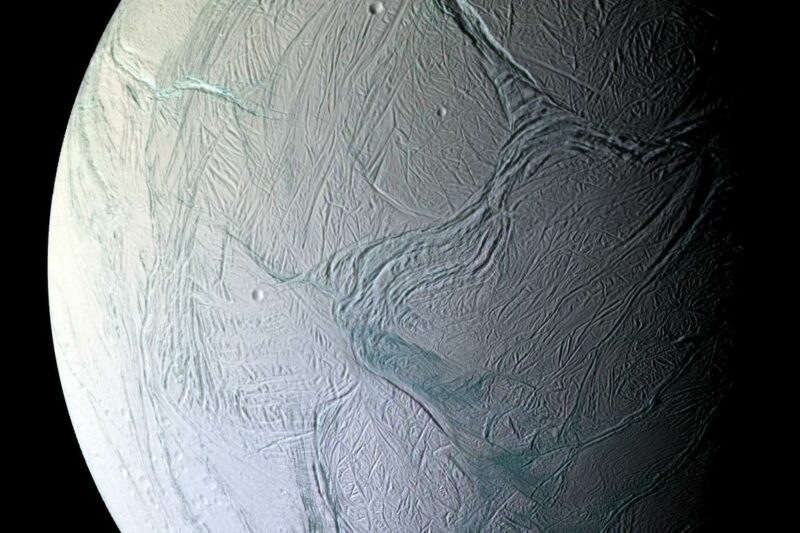
UCLA-led study explains how one of Saturn’s moons ejects particles from oceans beneath its surface
Although it is relatively small, Enceladus — the sixth largest of Saturn’s 83 moons — has been considered by astronomers to be one of the more compelling bodies in our solar system. Enceladus stands apart from other celestial bodies because of both its appearance and its behavior. It has the whitest and most reflective surface...
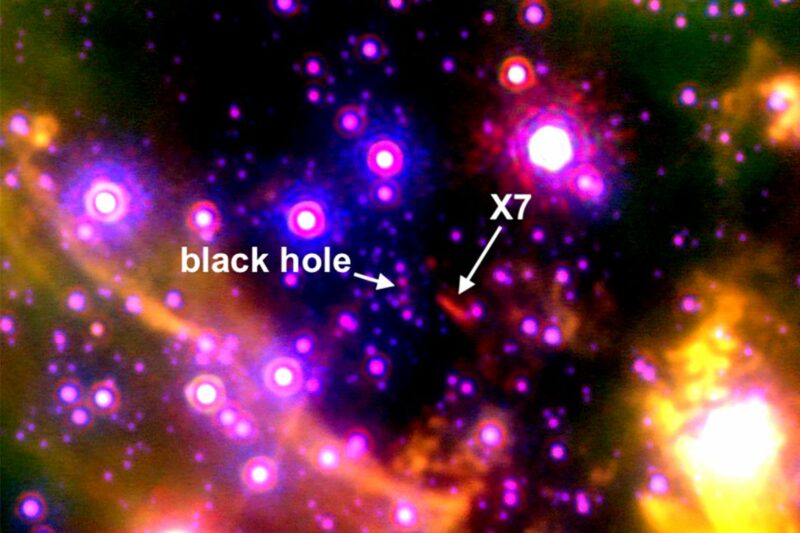
A mysterious object is being dragged into the supermassive black hole at the Milky Way’s center
For two decades, scientists have observed an elongated object named X7 near the supermassive black hole at the center of the Milky Way and wondered what it was. Was it pulled off a larger structure nearby? Was its unusual form the result of stellar winds or was it shaped by jets of particles from the...
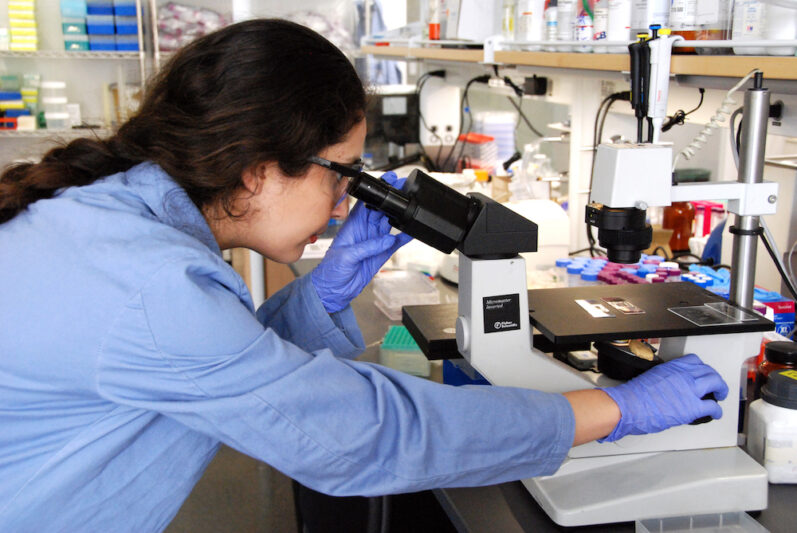
Explore the Master’s in Applied Chemical Sciences
A new degree program in the department of chemistry and biochemistry.
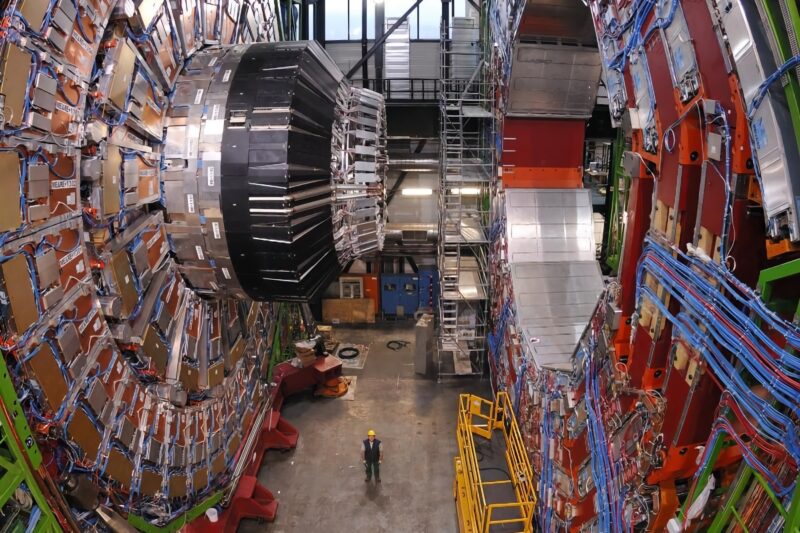
Explore the Master of Quantum Science & Technology program
Quantum Information Science (QIS) is at the cutting edge of technology, research, and education. It brings together scientists and engineers from a wide range of disciplines including physics, materials science, electrical engineering, computer science, chemistry, and mathematics. Now, a brand new professional degree program at UCLA will place innumerable opportunities within QIS into the hands...
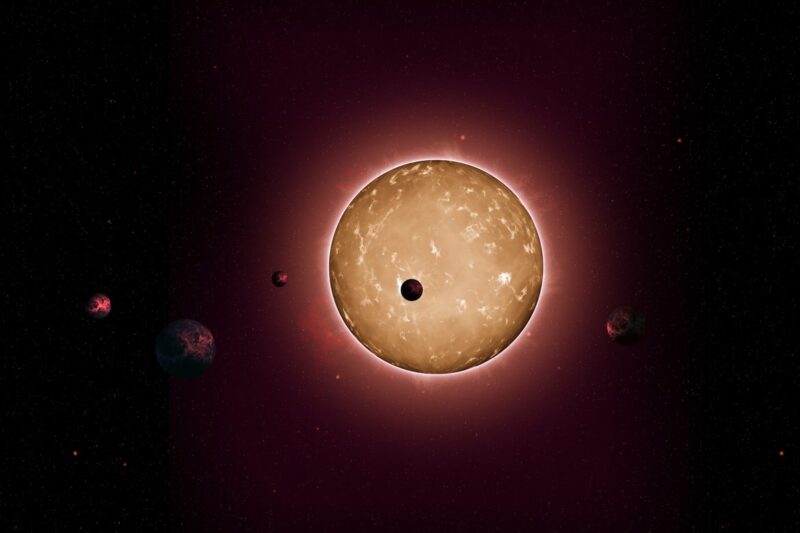
UCLA astronomers discover more than 300 possible new exoplanets
Findings also include a distinctive planetary system with two gas giants.