
When Mike Jung first tried to commercialize his research, his early attempts at translating academic research into drug development didn’t go as planned. Not surprisingly, it’s hard to make a drug for human diseases. The experience was humbling, but the lessons he learned helped set the stage for a generation of entrepreneurial growth.
“Taking basic scientific research to industry involves a lot of trial and error, and persistence,” he says. “And when trying to do that translation in an academic department, it also often involves a shift in culture and thinking.”
Today, as Associate Dean for Entrepreneurship & Innovation in UCLA’s Division of Physical Sciences, Jung channels those lessons into helping others navigate the same unpredictable path. From early missteps to eventually founding more than a dozen companies, Jung’s experience has helped pave the way for a broader transformation taking place across UCLA Chemistry and Biochemistry.
“Our department has grown into one of UCLA’s most reliable engines of entrepreneurship,” said Department Chair Alex Spokoyny. “Our researchers are learning from each other and developing new approaches to combine research and entrepreneurship.” From quantum sensing to drug discovery, inclusive beauty products and public health, below is just a brief highlight of the many exciting things coming out of UCLA labs and into the world.
Richard Kaner: Silq and the Science of Safer Implants
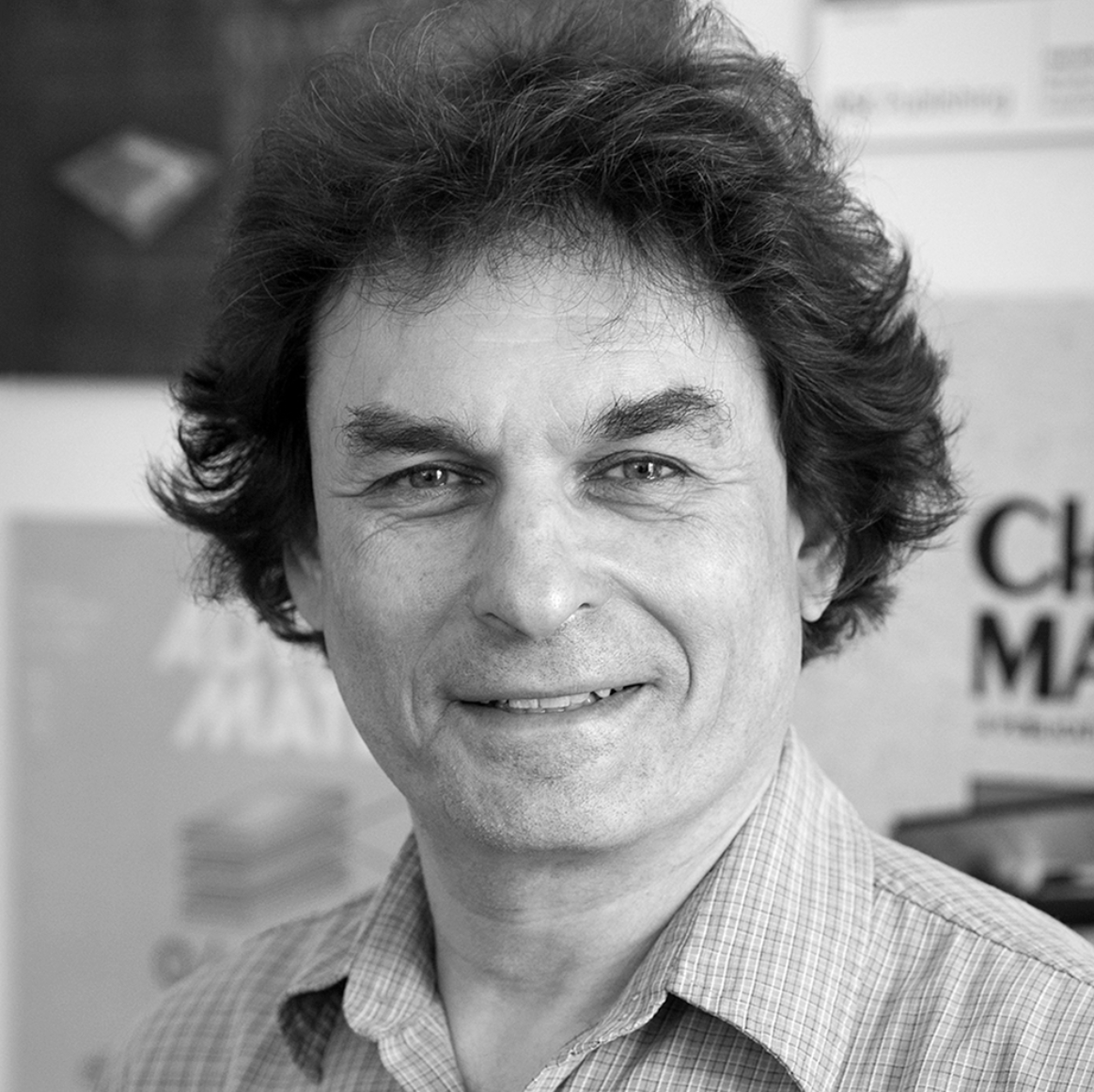
Chemistry’s true purpose, according to Richard Kaner, is to improve people’s lives. His latest venture, Silq Technologies, does just that by addressing a frustratingly stubborn medical problem: infections caused by catheters and other medically implanted devices. About 10% of all Americans – 32 million people – have some sort of medical implant. And, with the rise of antibiotic-resistant bacteria, implant-related infections are a serious health and economic concern.
Kaner’s path to Silq wasn’t straightforward. Earlier ventures taught him that innovation often requires patience and persistence. Working with former graduate student Brian McVerry and undergraduate student Ethan Rao, he developed a novel surface coating that prevents bacterial and protein buildup on catheters. That simple yet transformative idea became Silq’s flagship innovation, now FDA-cleared and used in Silq’s ClearTract® Foley catheter in hospitals all over the world.
“The moment someone tells you a product you helped create made their hospital stay easier,” Kaner says, “you realize what applied science can really do.” Bringing Silq to market demanded years of refinement, including rigorous manufacturing scalability studies, durability testing, and regulatory approvals. Each challenge reinforced the importance of determination and collaboration.
Beyond product development, Kaner emphasizes mentorship. He actively supports graduate students and junior faculty, sharing lessons from his entrepreneurial journey and fostering a culture where chemistry and business intersect. He believes that applied research must balance laboratory precision with human impact, a philosophy evident in Silq’s expanding applications, which include stents and other implants as well as industrial filtration devices.
“Innovation isn’t just about discovery,” he says. “It’s about taking what you learn in the lab and applying it to people’s lives.”
Sarah Tolbert: Rethinking the Speed of Energy
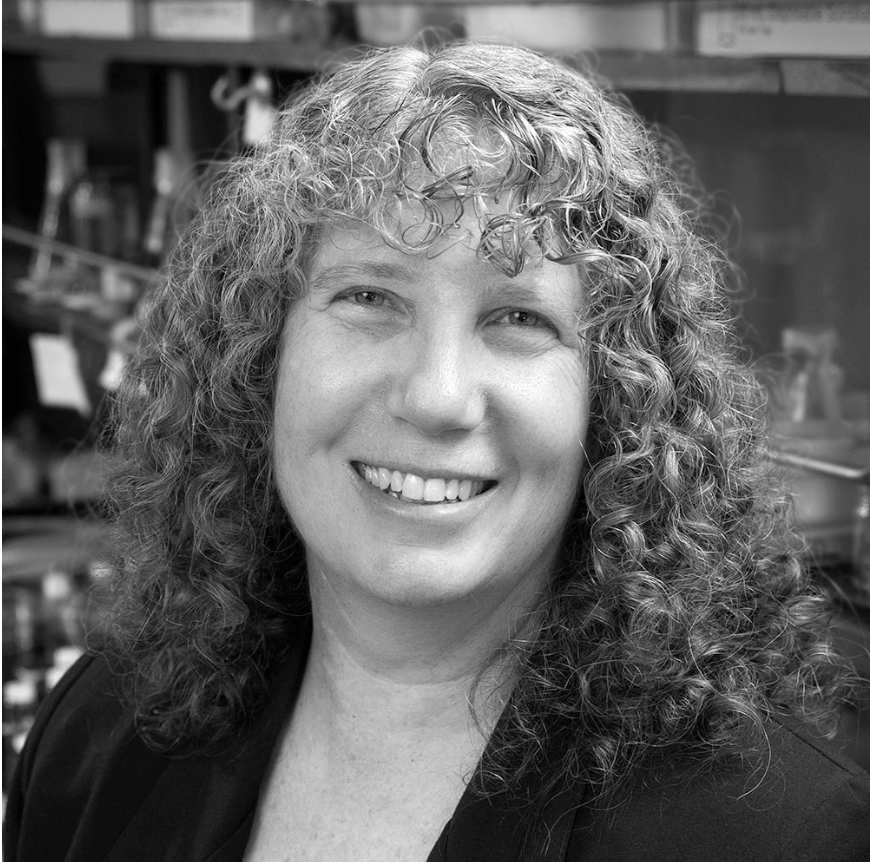
The leap from science to the marketplace is rarely straightforward, and not every promising technology becomes a standalone company. For Sarah Tolbert, the attempt to commercialize fast-charging nanostructured batteries produced meaningful scientific and educational outcomes, and the underlying technology has found life beyond the initial venture.
Tolbert’s work, done in collaboration with UCLA Materials Science and Engineering colleague Bruce Dunn, centered on replacing the solid grains of material that make up traditional battery electrodes with what she calls “battery Swiss cheese”: nanoporous versions of anode and cathode materials that allow lithium ions to move rapidly. The result was a battery that could charge in five or six minutes without overheating. Although the original acquiring company did not move forward, the breakthrough has already attracted additional entrepreneurial interest and a new licensing option.
One of the biggest scientific challenges, Tolbert said, was scaling up the material. “Nanostructured materials are usually made in small quantities, and the chemistry is not the same on the kilogram or ton scale as it is on the gram scale. Watching these materials grow from tiny coin cells to high-capacity pouch cells while still keeping their fast-charging behavior was genuinely exciting.” That scaling process, often the stage where lab work fails, held up remarkably well.
Market fit proved to be the harder problem. “Cars are the natural home for fast-charging technology, but automakers are understandably cautious about new battery systems,” she said. “Smaller markets, like power tools, tend to be more open to trying new ideas.”
Despite the challenges, Tolbert points out the unique opportunities start-ups offer for students. “When research from UCLA forms the foundation of a potential product, it gives students a chance to use their expertise immediately in a real-world setting,” she said. “Seeing their work move from the lab to an application shows students that the path to entrepreneurship is readily attainable.”
Prineha Narang: Where Quantum Science Meets Venture

If chemistry truly is a vehicle for improving lives, then Prineha Narang believes the vehicle has twin engines. “Science and entrepreneurship, working in tandem, are the driving force behind what chemists and researchers can do to truly impact society,” she says.
A quantum materials expert and now a venture partner, Narang sees innovation not as a one-way street from lab to market, but as a feedback loop that accelerates future discovery.
As a graduate student at Caltech, Narang saw firsthand what it looked like when scientists treated the impact of research seriously. “Understanding how to file patents, work with government agencies, and talking openly about how ideas leave the lab are important skills that researchers need to have when they first step on a research campus,” she says.
As a faculty member at UCLA, Chief Technology Officer, and Partner at deep-tech venture fund DCVC, Narang helps bridge the gap between deep theory and commercialization. “It can be challenging to translate cutting-edge research into technologies that serve people’s needs.” Narang credits departmental support for patenting, rapid IP turnaround, and openness to risk-taking for helping to create fertile ground for entrepreneurship.
“Leaving the lab to translate your ideas into real-world technologies doesn’t make you less of a scientist, it makes you more of one,” she says. “Entrepreneurship forces us to think about how our research holds up outside the lab, which makes us better scientists.”
Jim Bowie: A Greener Path for Chemical Manufacturing
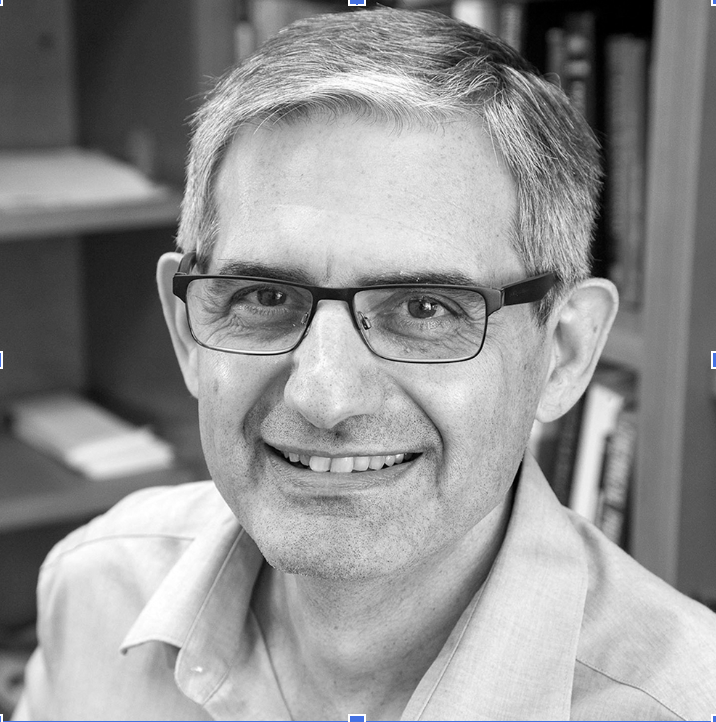
When Jim Bowie first explored biofuels in 2008, the timing seemed perfect. With energy prices climbing and carbon-neutral solutions in demand, his lab began engineering microbial pathways to convert sugars into renewable fuel molecules. But scaling those reactions into an affordable, commercial process soon proved nearly impossible.
“The science worked,” Bowie says, “but the economics didn’t.”
Instead of giving up, Bowie pivoted. He saw that the same enzyme systems used for fuels could produce high-value specialty chemicals. Finally, he realized, a space where innovation and sustainability could meet profitably. That realization led to eXoZymes, a company built on using biocatalysts to make chemical synthesis cleaner and faster.
In 2024, eXoZymes went public, a moment Bowie calls both surreal and satisfying. But for him, the milestone represents more than business success. It’s proof that when researchers think creatively about translation, lab discoveries can become technologies that matter.
Now retired, Bowie believes that university researchers, with the right support, are perfectly positioned to impact industry even more. “Academic scientists are really good problem solvers,” he says. “We are used to always facing the next obstacle and are really good at figuring out how to get through it and asking the right questions. This approach works well in the startup world.”
Jeffrey Vinokur: Bringing Science to Life
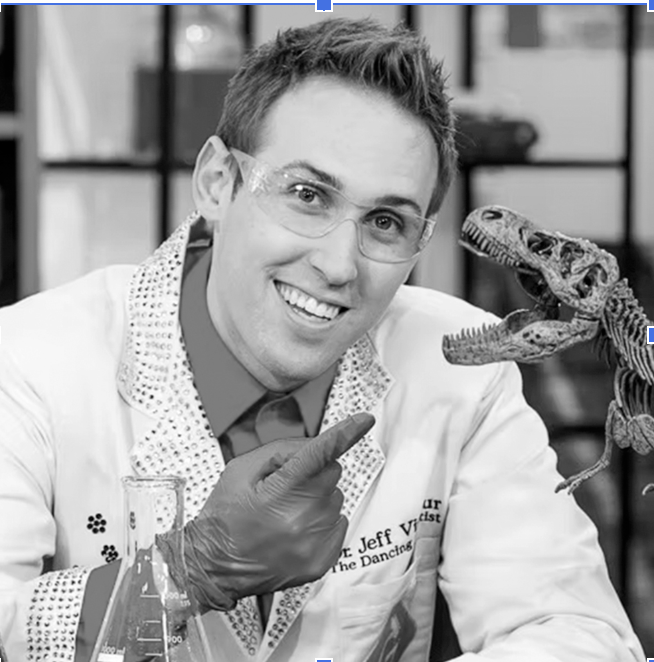
That intersection of scientific creativity and real-world impact also shaped the path of one of Bowie’s former doctoral researchers, Jeffrey Vinokur. After completing his Ph.D. in Biochemistry, Molecular & Structural Biology at UCLA in 2017, Vinokur launched what would become one of the most widely used science-education platforms in the country: Generation Genius.
Long before graduate school, Vinokur had an unusual gift for science communication. As a child, he spent hours running experiments in his garage laboratory, and by high school, he was performing science demonstrations at school assemblies. By the time he arrived at UCLA, he had already appeared on national television, bringing chemistry and physics to life with an energy that captured kids’ attention.
At UCLA, he found an environment that recognized and encouraged this path. Bowie in particular understood that Vinokur’s ability to engage audiences was not a distraction from research, but another expression of it.
With Emmy-winning television producer Eric Rollman as co-founder, Vinokur built Generation Genius into a full curriculum platform covering everything from ecosystems to phases of the moon. The service quickly scaled, ultimately reaching roughly one-third of U.S. elementary schools.
In February 2025, Newsela acquired Generation Genius for $100 million, marking one of the largest recent acquisitions in the K–12 science-education space. For Vinokur, it was the culmination of years spent merging scientific expertise with compelling storytelling.
Vinokur is quick to note that UCLA’s culture made his path easier. Faculty such as Jim Bowie and Todd Yeates not only tolerated but actively supported his broader interests. “No one ever told me to stop,” he says. “This is not something you often hear from faculty advisors who can be skeptical about balancing research with ambitious outside projects.”
Asked what he wishes more people understood about teaching young students, Vinokur emphasizes that children respond to authenticity and joy. “If you make science feel alive, kids will follow you anywhere.”
Neil Garg: A Classroom Question, A Commercial Breakthrough
But there can be another track that helps drive innovation forward: the humble classroom.
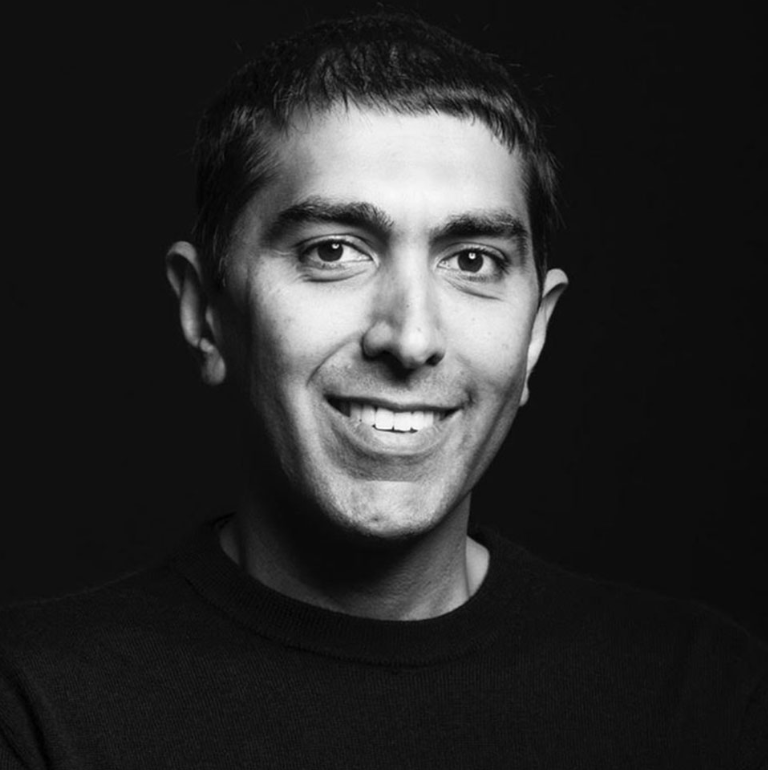
While giving lectures on organic chemistry to undergraduates, Neil Garg developed a demonstration on how an alcohol breathalyzer works using a redox reaction. Later performing this demo to a Bruin alumni audience, Garg was asked why a breathalyzer for marijuana did not exist yet. That simple curiosity set Garg and postdoctoral researcher Evan Darzi on a multi-year journey into chemistry, regulation, and entrepreneurship.
THC, the active component in marijuana, differs drastically in structure and behavior from ethanol, making it a tougher analytical target. Darzi and Garg immersed themselves not only in detection chemistry but also in navigating DEA licensing, state law, and regulatory uncertainty. After months of development, they demonstrated proof-of-concept, which led to patents and a publication. These studies would lay the foundation for their start-up company, ElectraTect, which spun out of UCLA in 2020.
Garg recounts the moment when VCs and industry players began approaching them, validating that the basic-chemistry solution had real-world appeal. Ultimately, the company was acquired by Mindr, a national leader in substance detection, monitoring, and safety solutions. ElectraTect has since been rebranded as recenTHC. Darzi serves as the Chief Scientific Officer and recently won a prestigious Early Career Investigator Award from the American Chemical Society.
Garg attributes much of this success to the culture at UCLA Chemistry & Biochemistry. In his lab, patent strategy and startup thinking are as familiar as spectroscopy or synthesis. Mentors like Mike Jung and Richard Kaner helped create an environment where entrepreneurial ideas are spoken of openly, and scientific rigor and practical impact are treated as complementary goals.
“Chemists are trained to analyze complexity,” Garg notes. “Entrepreneurship is just another complex system.” By bringing that mindset into the department, faculty and students begin to see business not as a distraction, but as another lens through which discovery can reach society.
AJ Addae: The Full Spectrum of Beauty
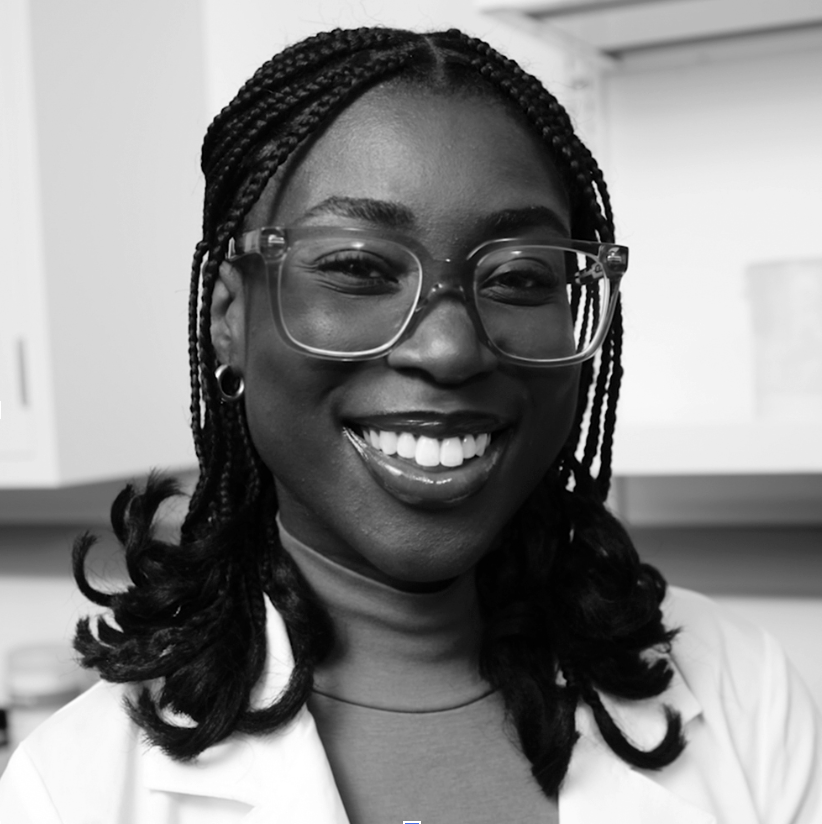
While Narang and Garg represent the second generation of entrepreneurs in the department, the third generation is already leaving its mark as well. Ph.D. candidate AJ Addae sees chemistry as a powerful tool for social change and inclusion. Her company, SULA LABS, develops and tests cosmetic products, with a focus on melanin-rich skin and textured hair. The products developed in her lab are licensed to cosmetic brands of all sizes, and among her team is a dermatologist who leads the company’s clinical testing efforts. Many of the products developed at SULA LABS can be found in retailers like Sephora, CVS, Target, and Ulta.
Using her expertise as a researcher and chemist, Addae and her team helps brands in the massive beauty industry produce more effective products for people of color, whose skin and hair have long been neglected in mainstream product development.
In fact, Addae started her entrepreneurial journey with SULA LABS even before starting her Ph.D. at UCLA. Under advisors Justin Caram and Paul Weiss, she’s also designed an improved UV filter for sunscreens that blends more seamlessly with darker skin tones. The patent-pending material she developed is supported through UCLA’s Technology Development Group.
“As chemists, we’re used to thinking about entrepreneurship through the medium of pharmaceuticals,” she says. “Cosmetic formulation chemistry offers an opportunity to reach people every day in small yet impactful ways. It’s deeply personal.”
Like Bowie, Addae mentors younger students pursuing scientific entrepreneurship in the beauty industry, especially women and students of color. “Representation and mentorship matters,” she says. “If they can see someone doing it, they can imagine themselves doing it, too.”
Mike Jung: The Cultural Captain
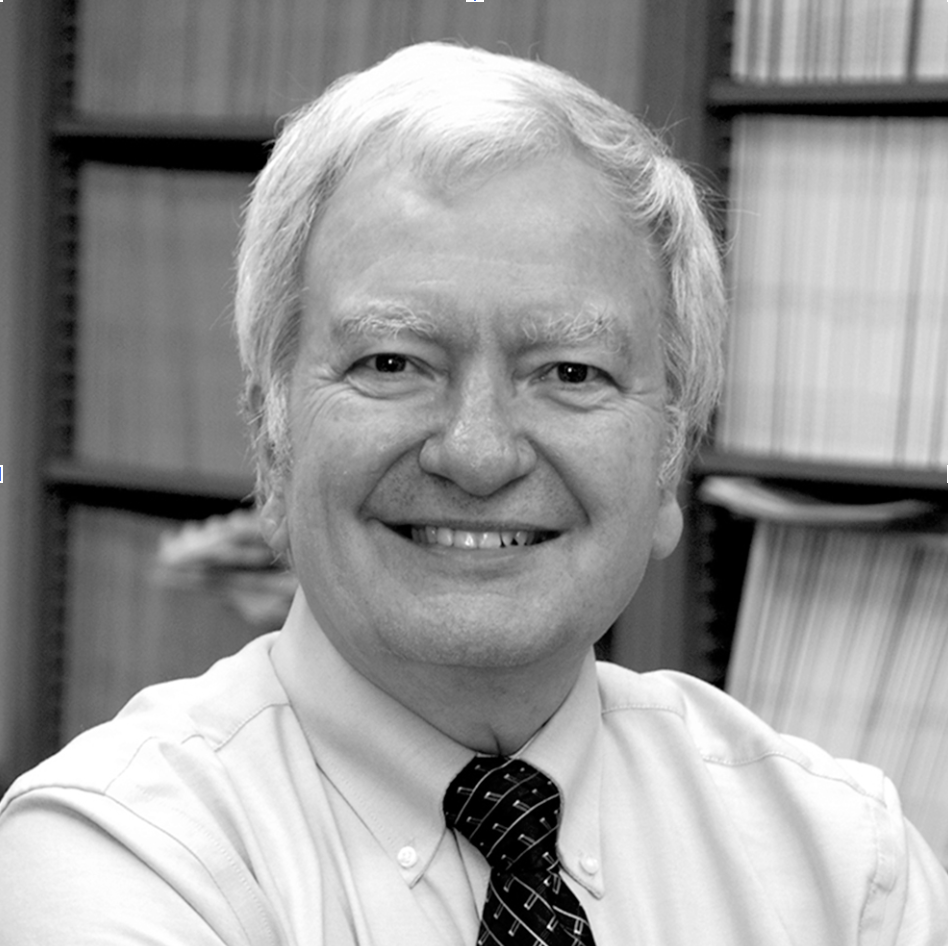
But it’s not just young dogs that can learn new tricks. At the age of 55, after decades as a synthetic organic chemist, Mike Jung made a deliberate shift to medicinal chemistry. This change led directly to an extremely fruitful collaboration with UCLA biologist Charles Sawyers. The team was able to design and develop two novel drugs for the treatment of castration-resistant prostate cancer (CRPC): enzalutamide (Xtandi) and apalutamide (Erleada). These two FDA approved drugs have allowed more than a million men to live longer, healthier lives. UCLA sold the patent rights to Xtandi to Royalty Pharma in 2016 for $1.14 billion, with much of that money going to fellowships and research. The Department and the Division of Physical Sciences have been greatly aided by some of these funds.
But that is in the past and the future is easily as exciting! Another collaboration – with biologists Heather Christofk and Bill Lowry – led to the formation of Pelage Pharmaceuticals, a company developing a groundbreaking topical treatment for hair regeneration.
The idea began with research on hair follicle biology. The team discovered that blocking pyruvate entry into mitochondria could awaken dormant hair follicle stem cells. Over years of experimentation, they designed and tested over 100 compounds, eventually creating a molecule that activates hair growth safely when applied topically without the compound entering the bloodstream.
In early human trials, participants applied the compound nightly for a week, seeing promising results and noticeable hair regrowth. The molecule, PP405, works by inhibiting a protein which allows hair follicle stem cells to no longer remain dormant, effectively “waking them up”. Unlike existing treatments, which mainly stimulate active follicles, PP405 addresses the root cause of hair loss, offering a fundamentally new approach.
Now preparing for a phase 3 clinical trial, Pelage has attracted significant investment from Google Ventures and Arch Venture Partners, among others. Jung reflects on the process with characteristic humility and enthusiasm: “Seeing a compound designed in my lab that has the potential to improve patients’ lives is incredibly rewarding. When applied thoughtfully and with purpose, chemistry has a unique potential to make a positive impact on people’s lives.”
A Cultural Shift
Despite their companies spanning a variety of industries, all these scientists have a shared and important mindset. They all actively consider how fundamental discoveries, even the most theoretical, can translate into meaningful societal impact.
That mindset has been nurtured by a growing culture of entrepreneurship within the Division of Physical Sciences, heavily supported by Dean Miguel García-Garibay. “The Chemistry and Biochemistry department has become our case study for how to build a culture of entrepreneurship into our research,” he says. “I am proud to see that patent strategy, commercialization, and real-world application are discussed as routinely as synthesis or spectroscopy, and it should be considered a model for the rest of the division.”
Across generations and disciplines, this culture fosters scientists who combine rigorous research with a clear focus on real-world impact.