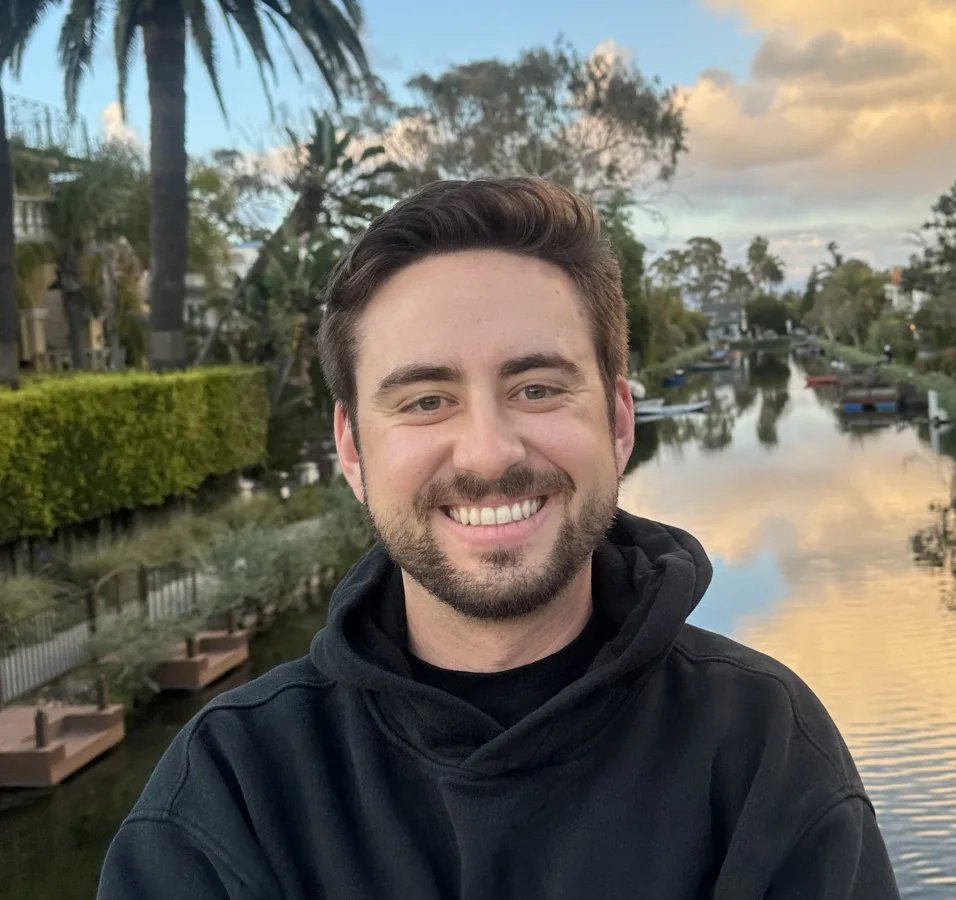
What attracted you to the DataFest event? And how long and in what capacity have you been involved?
As a freshman in 2015, I was encouraged by Professor Lew to participate after taking Stats 20 (Intro to Programming with R). She said that the experience itself was what made the event worth it – not winning. My team that year really struggled, but we learned a lot and gained confidence with approaching the subject matter. My Sophomore year I came back with another team and won the event, placing first in the”Best Use of External Data”. This was so fun!
I have since been involved in DataFest countless times — as a participant, organizer, mentor, and judge. The event allows for a mini-simulation of how real world data analysis, engineering, and modeling occurs when presented with research questions and authentic data sources.
Statistics and Data Science has been the fastest growing department at UCLA for several years, and DataFest has grown along with it. What factors have contributed to this and where do you see the field going in the future?
Data continues to be the oil of the 21st century, fueling every industry and analysis, especially with new focus on integrating such sources into LLMs. Everyone is interested in finding ways to improve upon and better understand their operations. Statistics and Data Science go hand in hand in opening the door for students to explore these skillsets and topics and utilize them in whatever industries most interest them.
I personally believe that a critical understanding of statistics and how these models work will be more important than ever, as we have LLMs that can assist but sometimes misinterpret the nuances and situations we have to deal with. Validating results to other people and explaining concepts in easy to understand frameworks will always be important in building trust.
Why, especially now, is this event more important than ever?
Community, education, and experience are all key pillars of the event. There are key opportunities for students to network with one another and alumni mentors, getting a broader sense of approaches and roles that operate in the vast DS space. DataFest provides a key education and experience not found in a traditional classroom, where exploration and exploitation have to be balanced to hone in on a valuable outcome.
What is the most important thing you learned from DataFest?
Simple, specific hypotheses work best when doing exploratory data science projects such as the one often conducted at DataFest. After some initial EDA to know what data is available, it’s especially important in industry and research settings to be explicit and refined in what the scope of your project is and what is not relevant. Having a tight confidence interval around your work allows for more rigorous review and improved understanding of the outcomes of your work.
What is one thing you would want future DataFest participants to know about the event?
That anyone can participate as long as they are willing to try! This event offers much, and is really all about what you are willing to put in to the event. Find some friends or classmates and dive in!
You are also a dedicated financial supporter of DataFest and the department. What does giving mean to you and how have you seen the impact of giving on our students?
Giving to the UCLA Statistics department and DataFest is my primary commitment as an alumni to UCLA. I am a strong believer in the teaching and research staff of our department and their dedication to providing a world class education in statistics and data science to students. My donation helps supports more teachers in the class room, key social events, and prominent networking and skill development events like DataFest. I am proud to support this organization!
Support from our community helps make events like DataFest possible.
Please review UCLA and the UCLA Foundation’s
Disclosure Statements for Prospective Donors at
https://www.uclafoundation.org/disclosures
M-52324
Gifts are managed and invested in accordance with UCLA’s endowment investment policies. The total return earned in excess of the amount approved annually for payout will be retained in the endowment principal to protect from the effects of inflation and to allow for growth. At the Chancellor’s discretion, when the payout is not needed for purposes of the fund, the return of payout may be added to the endowment fund principal. In the event the fund does not reach endowment minimum; or the program ceases to exist at UCLA, proceeds from the fund will be utilized in an area and manner as closely related as possible to the original intent and purposes for which the fund was established.